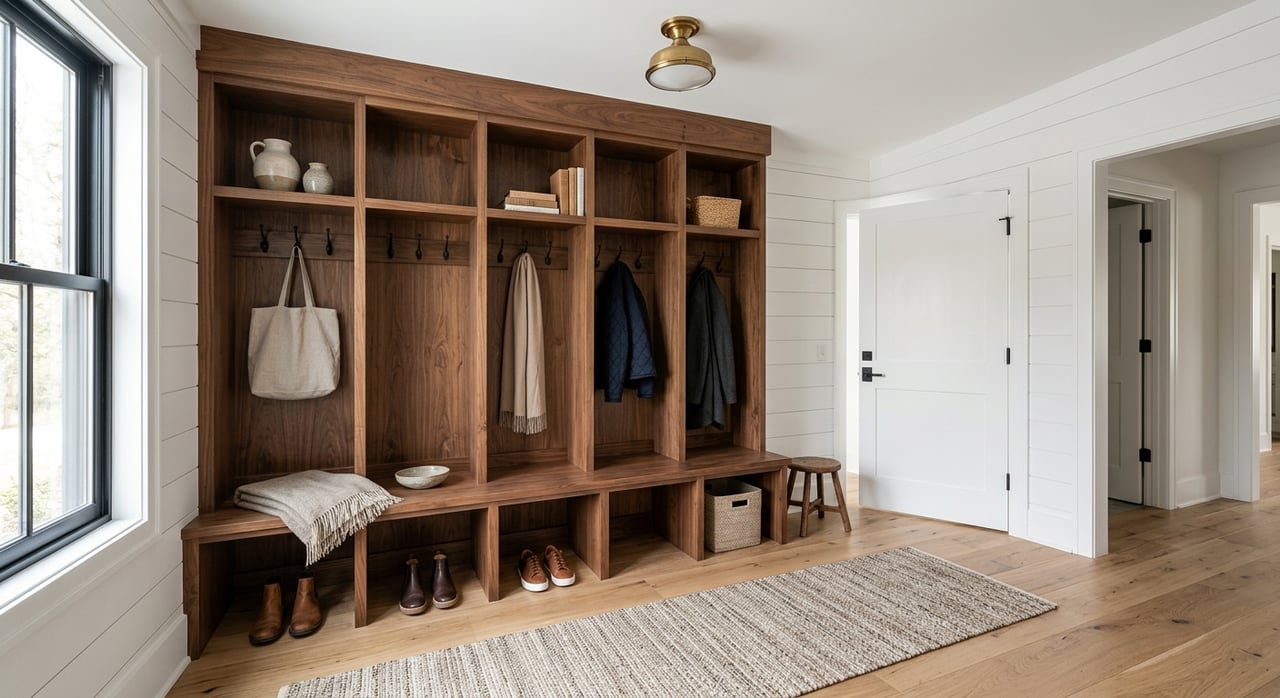
Selling In Carmel While Buying Your Next Home Nearby
May 21, 2026
May 21, 2026
Wondering how to sell your Carmel home without losing the home you want next can feel like a moving target. You are trying to protect your equity, keep your timeline realistic, and avoid a stressful gap between closings. The good news is that with the right plan, you can make both sides of the move work more smoothly in Carmel and nearby north-side communities. Let’s dive in.
If you are selling in Carmel and buying nearby, today’s market calls for strategy instead of guesswork. Recent 2026 market snapshots show Carmel with a median sale price a little above $532,000, about 27 days on market, and multiple offers still happening on average.
At the same time, Carmel is not a simple seller-only market. Some data sources describe it as balanced, and pricing still matters because a noticeable share of homes have had price drops. That means your next move depends less on hoping for perfect market conditions and more on choosing the right sequence.
Nearby north-side options also move at their own pace. Fishers has been around $434,500 median sale price with about 30 days on market, while Westfield has been around $497,000 with about 38 days on market. You may find more budget flexibility outside Carmel, but you should not assume homes will sit long enough for you to wait too long after your sale.
Before you tour homes or set a listing date, get clear on what your current home sale may actually give you to work with. That includes your estimated sale price, mortgage payoff, expected closing costs, and any prep expenses that need to happen before listing.
Closing costs on a purchase can typically run about 2% to 5% of the purchase price before your down payment. If you are moving up, that number matters because it affects how much cash you can comfortably use on the next home. A clean estimate of your net proceeds helps you shop with more confidence and less stress.
This is one reason many homeowners choose to sell first. When you know your real equity position, you can make a stronger plan for your purchase instead of stretching based on rough guesses.
There is no one right answer for every household. In Carmel and nearby markets, the best choice usually depends on whether your top priority is certainty, flexibility, contract protection, or speed.
For many move-up sellers, selling first is the lowest-stress option. It gives you a clear picture of your proceeds and reduces the chance that you will be carrying two homes at once.
This path can also help you make cleaner offers when you start shopping. If your current home is already sold or under contract with strong terms, you may have fewer financing questions hanging over your next purchase.
The tradeoff is timing. You may need a backup housing plan if your sale closes before your next home does.
Buying first can work, but it is mostly a financing question. Some buyers use bridge or swing financing to close on a new primary residence before the current home sells.
That said, lenders still need to document that you can carry the current home, the new home, the bridge loan, and your other obligations. In short, bridge financing can solve a timing problem, but it does not remove underwriting standards.
If you are considering this route, talk with your lender early. Your financing plan should be in place before your home goes live, not after the first showing request comes in.
A home sale contingency connects your purchase to the successful sale of your current home. It can give you a clear deadline and a way to step back if your existing home does not sell within that period.
That protection can be helpful, especially if you want to avoid owning two homes at once. The downside is that a contingent offer may be less appealing to a seller when nearby markets still see multiple-offer activity.
In a competitive situation, this means your offer may need to be strong in other ways. The right strategy depends on the home, the seller’s priorities, and your timeline.
Even the best plan can hit a timing gap. A short-term rental, a stay with relatives, or another written backup plan can give you breathing room if the two closings do not line up perfectly.
This option is often overlooked, but it can take pressure off your decisions. Instead of forcing an offer or a list price just to make dates match, you have a fallback if the market does not cooperate.
The best time to solve move-up logistics is before your sign goes in the yard. That means your financing, pricing, disclosure paperwork, and timeline should all be discussed early.
Lenders typically review your income, assets, employment, savings, debt payments, and credit history when deciding on mortgage approval. They also generally advise buyers not to take on new car loans, large credit card balances, or new credit accounts in the months before buying.
If you are trying to sell and buy at the same time, that advice becomes even more important. A financing surprise in the middle of two transactions can create avoidable pressure on both sides of the move.
If your sale is funding your next purchase, pricing accurately from the start matters. In Carmel, recent data showed that 31.6% of homes had price drops, and median sold price trailed median listing price.
That does not mean your home will not sell well. It means buyers are still paying attention to value, and an aggressive list price can slow your timeline at the exact moment you need momentum.
A smart launch usually comes down to a few things:
When you are also buying nearby, a delayed sale can ripple into everything else. Repricing, extra carrying costs, and missed opportunities on your next home can all follow.
Indiana seller disclosure rules are not something to leave for the last minute. For many 1 to 4 unit residential properties, the Seller’s Residential Real Estate Sales Disclosure form must be completed and signed before an offer is accepted.
The form is based on your current actual knowledge rather than a warranty, but it covers many important topics. It asks about things like roof condition, water and sewer systems, heating and cooling, structural issues, hazardous conditions, flood plain status, encroachments, code matters, HOA restrictions, and airport proximity.
For a smoother sale, gather your information early. It helps to review:
If a material change happens to the property’s physical condition, that must be disclosed at or before settlement. A pre-listing review can help you avoid scrambling later.
When you are buying your next home nearby, the purchase side needs just as much coordination as the sale. One key step is moving quickly on inspections once you are under contract.
Inspection timing matters because it gives you time to understand the property and negotiate if needed. If your Carmel home is already under contract, you do not want your next purchase stalling because the inspection window started too late or repair issues were not addressed promptly.
This is another reason local planning matters. The smoother your contract timeline is on the buy side, the easier it is to align movers, utilities, and closing dates.
If you are closing in Hamilton County, timing on closing day deserves special attention. The county requires deeds to be processed through the Auditor’s Real Property Department before they go to the Recorder’s Office.
There are also afternoon deadlines. The county posts a 4:00 p.m. deadline for the Auditor and a 4:15 p.m. deadline for the Recorder, so same-day closings should leave a buffer instead of assuming documents will record at the last minute.
The sales disclosure process also runs through the county assessor first for completeness before moving on to the county auditor. If the form is missing or incomplete, the conveyance may not be accepted. For a move-up seller coordinating two closings, clean paperwork is part of keeping the plan intact.
If you are not sure which route fits your situation, this framework can help:
Selling in Carmel while buying nearby is not just about finding the next house. It is about coordinating price, timing, paperwork, financing, inspections, and closing logistics in a way that supports your bigger goal.
That kind of move tends to go more smoothly when you have a clear plan from the beginning. With thoughtful preparation, realistic pricing, and a backup option in place, you can move forward with more confidence and less last-minute stress.
If you are planning a move from Carmel to Fishers, Westfield, Zionsville, or another nearby area, a calm, step-by-step strategy can make all the difference. When you are ready to map out the right sequence for your move, connect with Carly DeFazio.
Stay up to date on the latest real estate trends.



Real estate is more than a transaction-it’s a transition. I guide clients through buying and selling with calm leadership, proactive strategy, and a thoughtful, highly personalized approach. Every detail is considered, every move intentional, so you can feel confident not only in the outcome, but in the process itself.