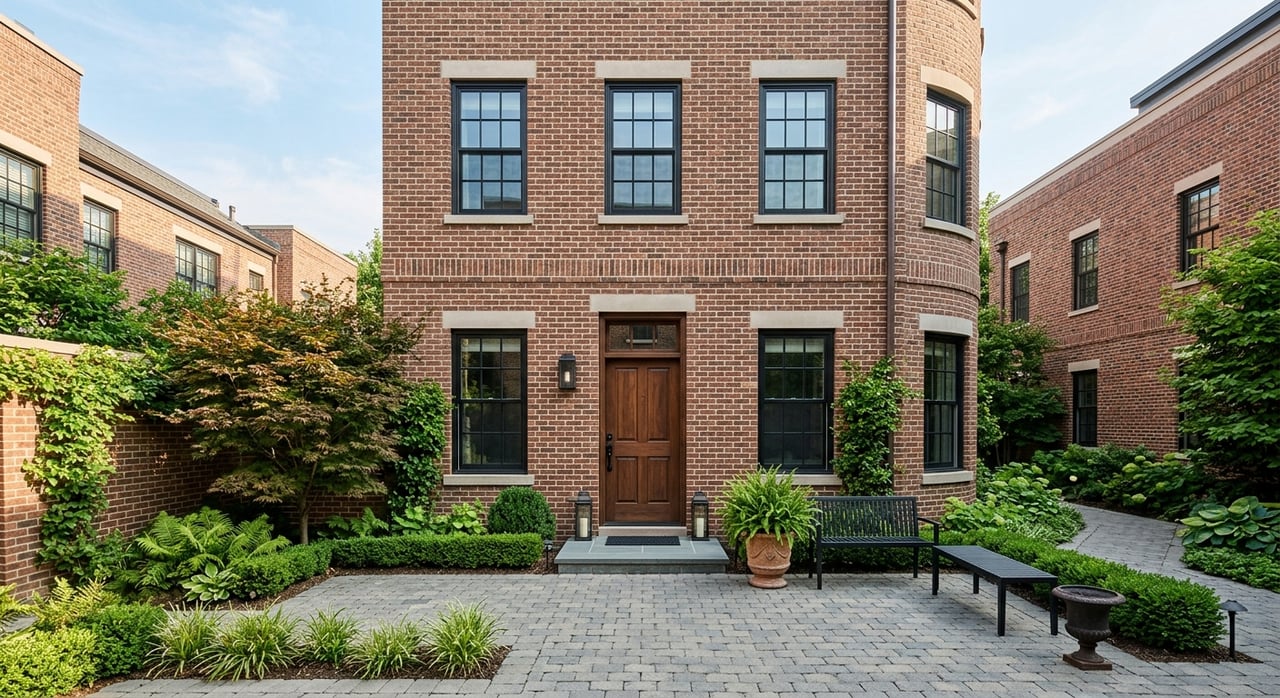
Carmel vs Westfield Indiana: Which Northside City Fits?
June 4, 2026
June 4, 2026
Choosing between Carmel and Westfield can feel harder than it should. Both are popular north-side options, both offer strong everyday amenities, and both attract buyers who want convenience, community, and room to grow. If you are trying to decide where you will feel most at home, this guide will help you compare price, housing, commute patterns, and lifestyle so you can make a clearer choice. Let’s dive in.
At a high level, Carmel and Westfield offer two different versions of north-side living. Carmel feels more established, more mixed-use, and more connected to a polished urban-suburban routine. Westfield feels newer, more growth-oriented, and more centered on expanding residential areas, downtown projects, and sports-driven activity.
The numbers support that difference. In April 2026, Carmel had a median sale price of $549,716, a median of 18 days on market, and a median price per square foot of $206. Westfield came in at a median sale price of $480,747, 39 days on market, and $184 per square foot.
That means Carmel currently carries a higher price point and faster pace, while Westfield offers a lower median cost and a little more breathing room in the market. Neither is automatically better. The real question is which setting fits your budget, routine, and long-term goals.
If price is one of your biggest filters, Westfield may catch your attention first. The median sale-price gap between the two cities is about $69,000 based on the April 2026 market snapshots. That difference can matter if you are trying to balance monthly costs, square footage, or future updates.
Carmel, on the other hand, tends to reward buyers who want to compete for a location with strong demand and quicker resale movement. Homes there moved in a median of 18 days, compared with 39 days in Westfield. If you are shopping in Carmel, you may need to be ready to act faster when the right home appears.
Price per square foot also tells an important story. Carmel’s recent median was $206 per square foot, while Westfield’s was $184. That suggests you may get more space for the money in Westfield, while Carmel asks a premium for its current market position and amenity mix.
Carmel offers a broader mix of housing types, especially near its core districts. City planning materials describe a deliberate balance between higher-density corridors along US-31 and the central core, along with more traditional suburban neighborhoods on the east and west sides. In and around City Center, Midtown, and the Arts & Design District, that includes apartments, condos, flats, and townhomes.
For you, that can mean more options if you want lower-maintenance living, a lock-and-leave setup, or a home closer to shops, dining, and gathering spaces. Carmel is not just one kind of market. It blends urban-style housing choices with more classic suburban neighborhoods.
Westfield has historically leaned more single-family in its residential areas. Its planning materials note that over 65 percent of housing was built after 2000, which helps explain why many buyers see Westfield as the newer-feeling option. The city is also expanding its mix of housing, especially downtown, where mixed-use projects include apartments and brownstone-style residential units.
If you are looking for newer housing stock, Westfield may feel especially appealing. If you want more variety between condos, townhomes, and suburban neighborhoods in one city, Carmel may offer more flexibility.
Your daily drive can shape how a city feels just as much as the home itself. Carmel has especially direct access to I-465, I-65, I-69, and I-70 through connections at its southern boundary. Keystone Parkway, US-31, and US-421 all interchange with I-465 there, which gives Carmel a more interstate-connected feel.
That setup can be helpful if your routine regularly pulls you toward central Indianapolis or across the metro. Carmel’s road network may feel more straightforward if highway access is a major priority in your home search.
Westfield is also well connected, but the rhythm is a little different. US-31 runs through the city, while State Road 32 and 146th Street carry some of the highest traffic volumes. Westfield is also in the middle of current corridor work, including SR-32 reconstruction and the Monon Tunnel project, both extending into late 2026.
For some buyers, that is simply part of living in a growing city. If you are comfortable with major surface roads and ongoing infrastructure improvements, Westfield may still fit well. If you want the most direct interstate-oriented access, Carmel may feel easier day to day.
Carmel and Westfield both support an active lifestyle, but they do it in different ways. Carmel’s official amenity profile highlights the Arts & Design District, City Center, Midtown, the Center for the Performing Arts, the Monon Greenway, nearly 200 miles of trails, 13 parks, and seasonal attractions like an outdoor water park and winter ice rink.
That gives Carmel an arts-and-dining-forward personality with multiple activity hubs already in place. If you picture weekends spent walking trails, meeting friends for dinner, or enjoying established public spaces throughout the year, Carmel offers a lot of built-in variety.
Westfield’s lifestyle identity is more tied to recreation, events, and an evolving downtown. Grand Park anchors the city with a 400-plus-acre sports campus, while Grand Junction Plaza adds a central gathering space downtown. The Westfield Farmers Market also takes place on Thursday evenings in the plaza, and the city continues to build around walkability and trail connections.
Westfield may feel like a strong match if your ideal routine includes sports, community events, and a downtown that is still actively growing. Carmel may feel like a stronger fit if you want a more mature network of dining, arts, and mixed-use destinations right now.
When buyers compare Carmel and Westfield, the decision often comes down to priorities rather than rankings. Think less about which city is winning and more about how you want your daily life to function.
If you are still torn, try narrowing the choice with three simple questions. First, what monthly payment range feels comfortable for you right now. Second, do you want an established amenity network or are you excited by a city that is still adding new pieces. Third, how much does direct highway access matter to your weekly routine.
You can also compare your likely home type in each city. In Carmel, your search may include more condos, townhomes, and mixed-use options near active districts. In Westfield, you may see more newer single-family homes and newer-feeling residential areas, along with expanding downtown housing choices.
The best decision usually becomes clearer once you match the city to your actual lifestyle. A lower price point is not always the best fit if you prefer Carmel’s layout and convenience. A more established setting is not always worth the premium if you are more drawn to newer homes and Westfield’s growth pattern.
Carmel and Westfield are both strong options on the north side, but they serve buyers a little differently. Carmel stands out for its higher-density core, established districts, faster-moving market, and stronger interstate-oriented access. Westfield stands out for its lower median price, newer housing stock, sports-and-event energy, and visible growth.
If you want help comparing homes, commute patterns, and day-to-day fit between these two markets, working with a local advisor can make the process much less overwhelming. If you are planning a move in Carmel, Westfield, or anywhere across Central Indiana, Carly DeFazio offers calm, strategic guidance to help you make the right move with confidence.
Stay up to date on the latest real estate trends.
Real estate is more than a transaction-it’s a transition. I guide clients through buying and selling with calm leadership, proactive strategy, and a thoughtful, highly personalized approach. Every detail is considered, every move intentional, so you can feel confident not only in the outcome, but in the process itself.