Westfield New Construction vs Resale: How to Choose
June 18, 2026
June 18, 2026
Trying to decide between a brand-new home and a resale in Westfield? You are not alone. With Westfield growing quickly and new neighborhoods continuing to take shape, many buyers find themselves weighing customization and warranties against speed, simplicity, and a more established neighborhood feel. This guide will help you compare both paths so you can make a confident choice that fits your timeline, budget, and goals. Let’s dive in.
Westfield is not standing still. The city’s July 2025 population estimate reached 66,258, which reflects rapid growth since 2020, and that growth is being planned over a long horizon through the city’s comprehensive planning process.
For you as a buyer, that matters. In Westfield, choosing between new construction and resale is not just about the house itself. It is also about how growth, neighborhood development, permits, inspections, and homeowner association structures may affect your experience before and after closing.
The city’s planning and development framework also points to a practical reality: many neighborhoods operate under Planned Unit Development ordinances, often called PUDs. That means community standards, amenities, and architectural rules may vary from one neighborhood to the next rather than follow a simple one-size-fits-all pattern.
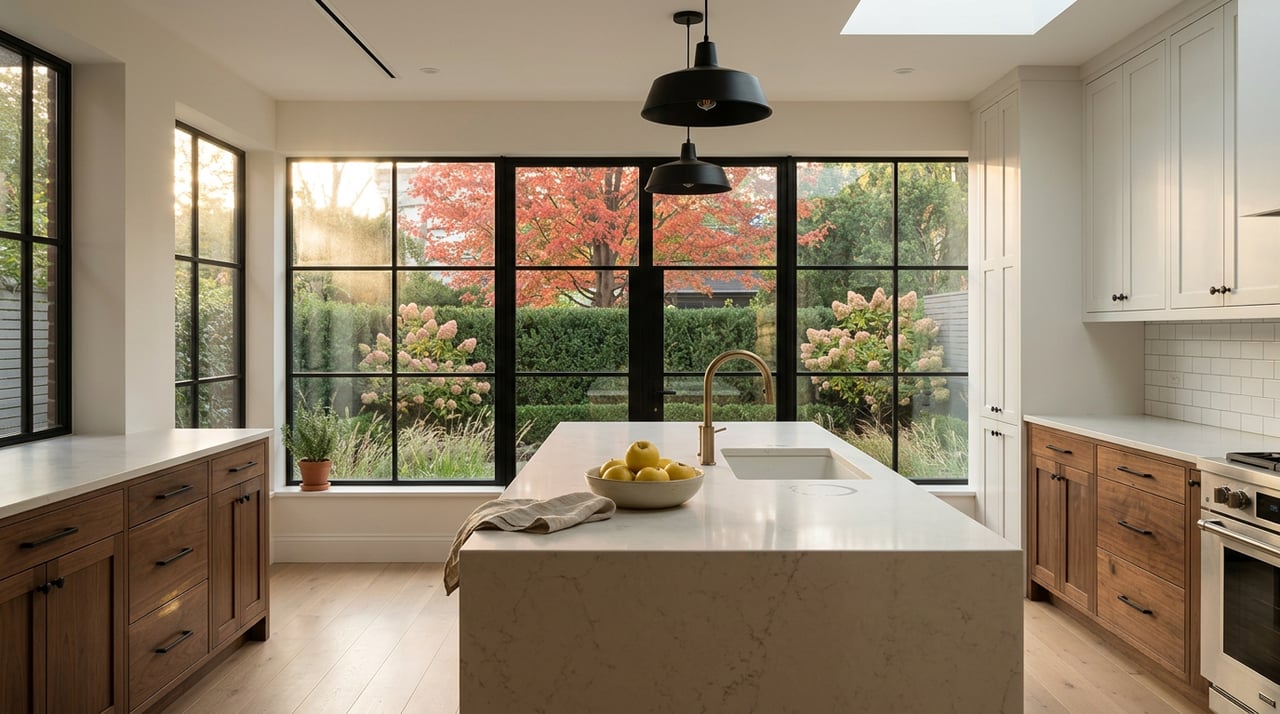
New construction often appeals to buyers who want a home that feels tailored to their life from day one. Depending on the stage of construction, you may be able to choose finishes like flooring, lighting, countertops, cabinets, tile, and vanities.
That flexibility can be a major benefit. If your priority is personalization, lower immediate maintenance, and the appeal of a brand-new home, new construction may feel like the right fit.
One of the biggest advantages is customization. A custom home gives you the most control, while a spec home can still offer some design choices if you get involved early enough.
You may also appreciate warranty coverage. Many new homes include builder warranties, often covering workmanship and materials for one year, many systems for two years, and in some cases major structural defects for up to 10 years.
Another benefit is the chance to start fresh. New materials, new systems, and modern layouts can reduce the number of immediate repairs or updates you might otherwise face in an older home.
The tradeoff is time and process. The design phase can take three to six months, and construction often lasts at least 12 to 16 months, so this is usually not the best route if you need to move quickly.
In Westfield, the local process also matters. The city’s Citizens Portal handles permit applications and inspection requests, and permit review can take up to 5 to 10 business days once a complete application is submitted. Inspections happen at multiple stages, and applicable structures need a Certificate of Occupancy before they can be occupied.
That means a new-build purchase often involves more moving parts than buyers expect. You are not only choosing a home. You are also managing timelines, selections, builder communication, inspections, and final completion steps.
A brand-new home is still a major construction project, and new does not always mean flawless. Pre-drywall inspections can be especially valuable because they allow key systems and structural elements to be reviewed before they are covered.
Westfield’s inspection process confirms that work is reviewed in stages, but that does not replace your own due diligence. Independent inspections can help you better understand framing, plumbing, electrical, HVAC, waterproofing, and other important details before closing.
In Westfield, this is a big one. Because many communities are organized as PUDs, you may have automatic HOA membership, mandatory assessments, and shared community property maintained by the association.
Before you commit, it helps to ask practical questions like:
These details can affect both your monthly costs and your day-to-day ownership experience.
If your priority is speed, context, and a more familiar buying process, a resale home may be the better path. Resale homes let you skip the construction timeline and focus on what exists today: the home’s condition, the neighborhood setting, and the closing timeline.
That can be a major relief if you are relocating, trying to line up a sale and purchase, or simply want fewer unknowns.
The biggest advantage is availability. Instead of waiting through design, permitting, and construction, you can usually move through a more traditional purchase timeline.
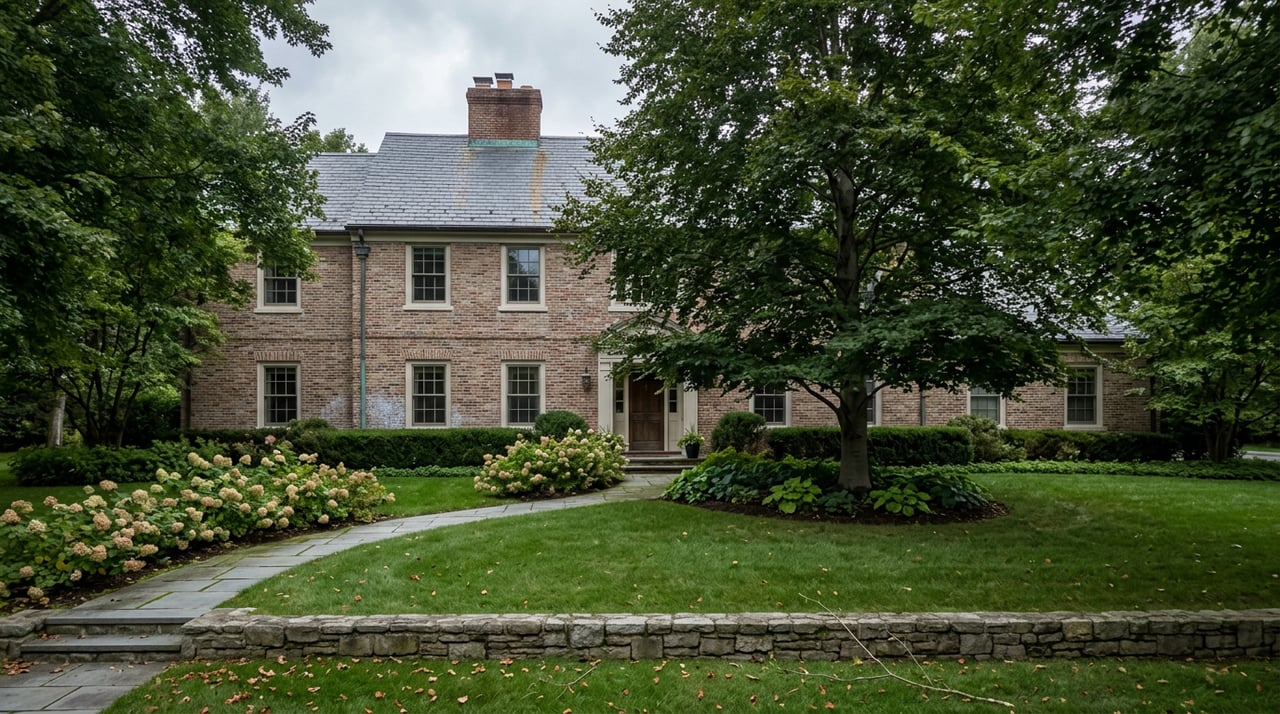
You also get a clearer picture of the neighborhood. In many resale situations, you can better evaluate traffic flow, landscaping maturity, surrounding homes, and how the community functions day to day.
Another plus is visibility into costs and history. In communities with HOAs, resale buyers can often review past budgets, meeting records, and fee trends to get a better sense of how the association operates.
Resale homes come with their own due diligence needs. A home inspection is often an important part of the process because it helps evaluate structural and mechanical systems and identify repairs or maintenance items.
You also want to budget beyond the purchase price. Closing costs, moving expenses, repairs, and future improvements can all shape the true cost of ownership.
And while resale may feel simpler than new construction, it does not always mean fewer rules. Planned subdivisions and organized communities may still have HOA dues, membership requirements, and property use restrictions.
| Factor | New Construction | Resale |
|---|---|---|
| Timeline | Often longer due to design, permits, and build schedule | Usually faster and more predictable |
| Customization | Higher, especially early in the process | Limited to what already exists |
| Repairs | Often fewer immediate issues | May need repairs or updates sooner |
| Inspections | Still important, including pre-drywall when possible | Standard home inspection is common |
| HOA visibility | May still be forming in newer communities | Often easier to review budget and fee history |
| Neighborhood feel | Community may still be developing | More established day-to-day context |
The better choice usually comes down to your priorities, not just the list price. In Westfield, that means looking at the full picture: timeline, neighborhood structure, HOA costs, builder terms, inspection strategy, and how much flexibility you want.
New construction may be the right fit if you want personalization, warranty coverage, and a home with newer systems, and you are comfortable with a longer and more detailed process. Resale may be the better fit if you want to move sooner, compare more established neighborhoods, and rely on a more familiar inspection and negotiation process.
It is also smart to look past headline pricing. In a new build, lot premiums, upgrades, financing incentives, and HOA dues can change the overall value equation. In a resale purchase, inspection findings, future improvements, and the condition of major systems may matter just as much.
Westfield’s growth, permit activity, and neighborhood structure make this a market where details matter. A buyer comparing new construction and resale often needs help reviewing builder addenda, timing inspections, understanding HOA documents, and weighing the full financial picture rather than just the purchase price.
That is especially true if you are balancing a move, relocation timeline, or the sale of another home. Calm, strategic guidance can make the process feel much more manageable.
If you are weighing new construction versus resale in Westfield, working with a local advisor can help you compare options clearly and move forward with confidence. When you are ready to talk through your goals, connect with Carly DeFazio.
Stay up to date on the latest real estate trends.
Real estate is more than a transaction-it’s a transition. I guide clients through buying and selling with calm leadership, proactive strategy, and a thoughtful, highly personalized approach. Every detail is considered, every move intentional, so you can feel confident not only in the outcome, but in the process itself.