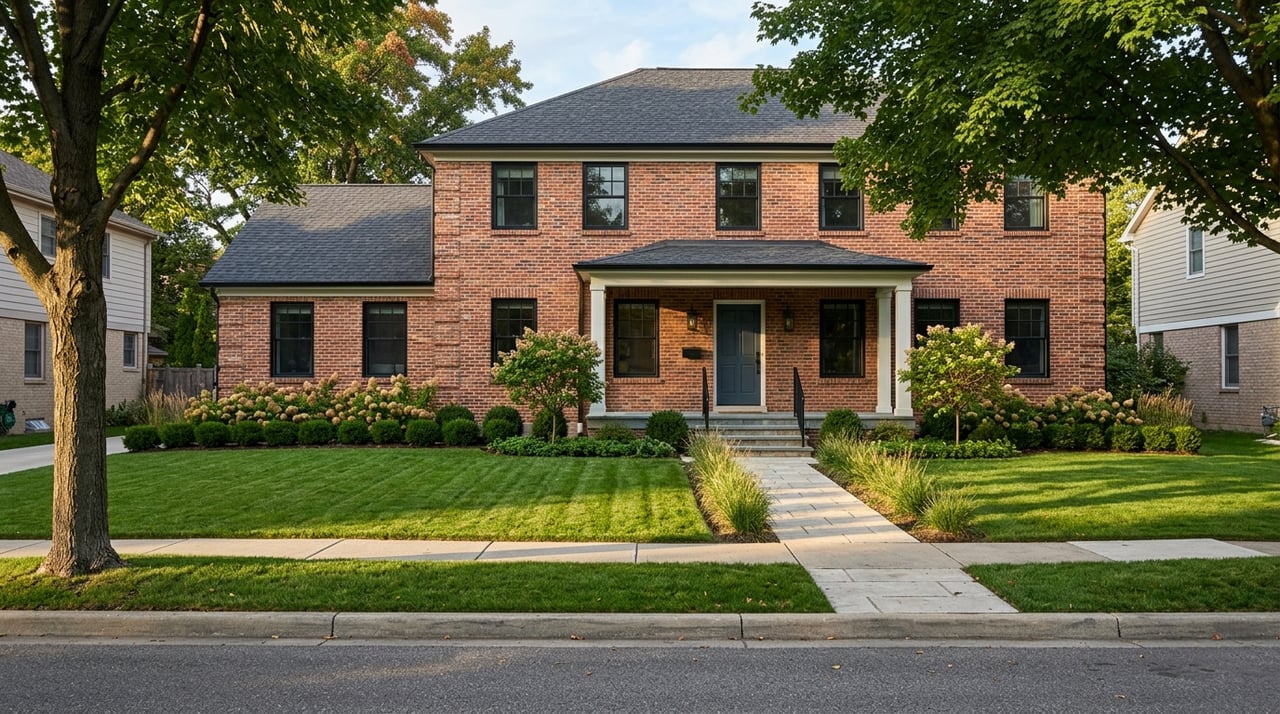
What It’s Like Living in Zionsville, Indiana
April 1, 2026
April 1, 2026
Wondering whether Zionsville feels more like a quiet suburb or a true small town? The answer is a little of both, and that is a big part of its appeal. If you are considering a move to Boone County, this guide will help you understand what day-to-day life in Zionsville is really like, from housing and commuting to parks, trails, and the feel of downtown. Let’s dive in.
Zionsville is a growing town in Boone County with an estimated 2024 population of 33,161, according to the U.S. Census QuickFacts for Zionsville. It stands out as a largely homeowner community, with an 85.4% owner-occupied housing rate.
The same Census data shows a median household income of $159,126, a median owner-occupied home value of $543,800, and a mean commute time of 25.1 minutes. In practical terms, that points to a higher-priced suburban market where many residents value space, stability, and access to Indianapolis.
One of the biggest draws of Zionsville is that it has a recognizable identity. The town centers much of its image around Brick Street and its historic village core, where you will find historic buildings, locally owned restaurants, boutiques, and galleries.
That gives the community a different feel than a typical suburban corridor. Instead of feeling built around one shopping center after another, Zionsville often feels more like a preserved town center with neighborhoods and amenities growing around it.
Zionsville is not just a place where you sleep and commute. The town has clearly invested in making its core easier to enjoy, including the ongoing Downtown Road & Pedestrian Improvements Project, which focuses on traffic flow, safety, and pedestrian connectivity in key downtown areas.
For you as a resident, that matters. It supports a more walkable, connected daily experience, especially around the Village and nearby parks and local businesses.
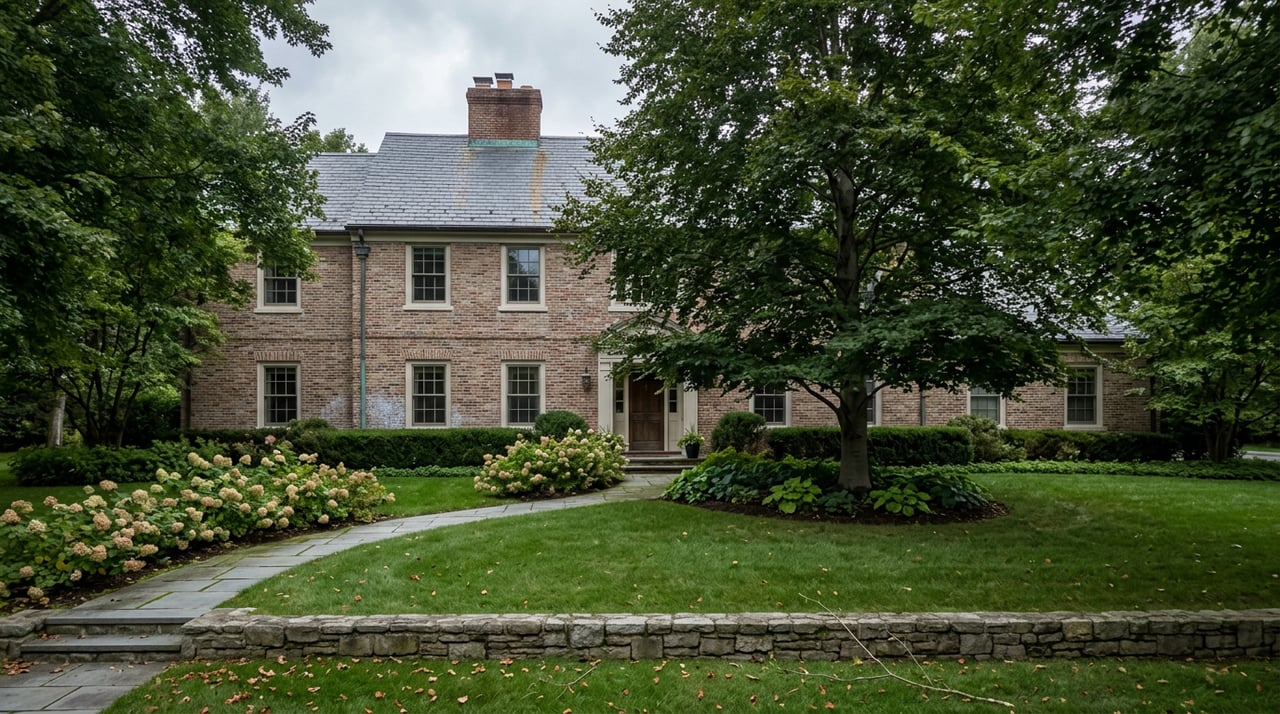
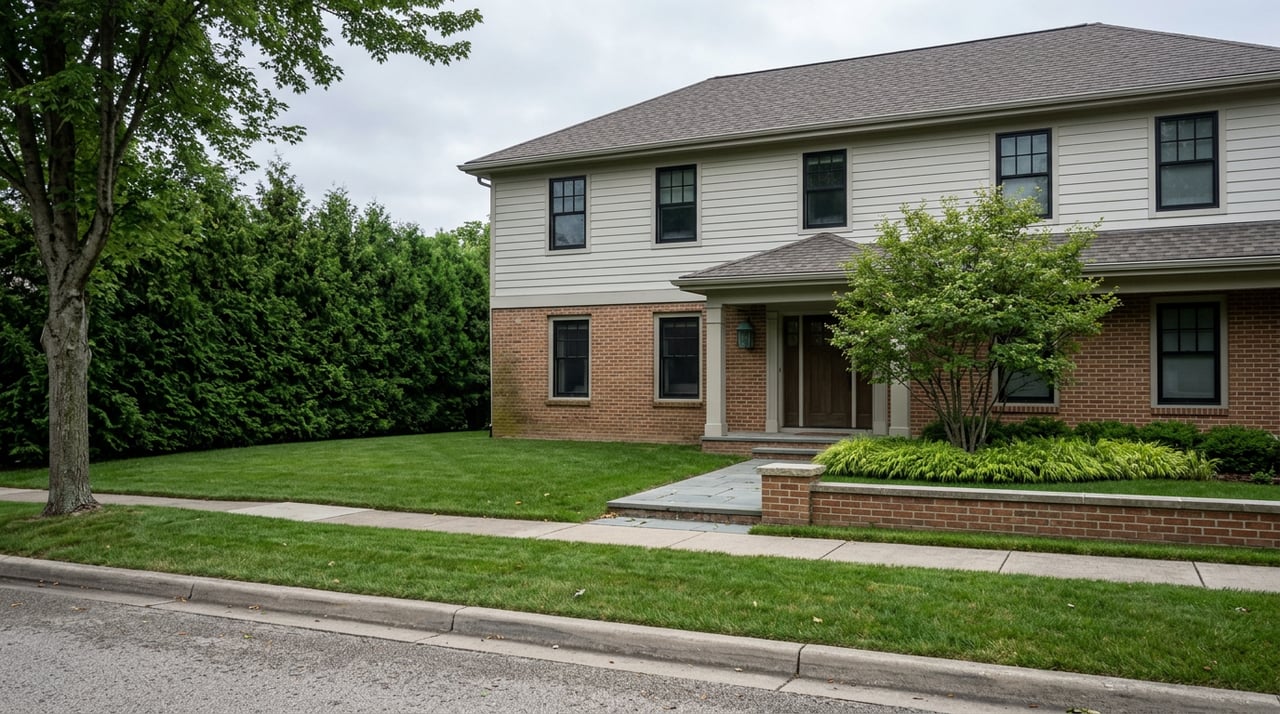
If you picture Zionsville as a place with established neighborhoods, newer subdivisions, and a strong single-family housing base, that picture is accurate. The town’s 2025 comprehensive plan reports that from 2002 to 2022, 3,528 single-family units and 536 multifamily units were permitted.
The same plan notes that 47% of Zionsville’s housing stock was built after 2000. So while the town has a historic identity, much of its housing is relatively newer.
Housing patterns vary depending on where you look. The comprehensive plan notes that established neighborhoods and historic homes surround The Village, while newer development stretches along the US 421 corridor.
That gives buyers a range of options. You may find yourself choosing between older homes near the village core, newer construction in growth areas, or lower-maintenance options in select locations.
Zionsville is still mostly low-density and single-family, but it is not standing still. According to town planning documents, townhomes, duplexes, apartments, and senior living are considered suitable in certain mixed residential and mixed-use areas.
That does not make Zionsville feel urban. It does suggest that over time, the housing mix may continue to broaden in thoughtful, location-specific ways.
In many towns, downtown is more of a branding idea than a daily destination. In Zionsville, the Village Business District appears to be a genuine hub for shopping, dining, and community activity.
The town highlights one-of-a-kind boutiques, locally owned restaurants, and galleries in historic buildings. Its wayfinding strategy is also meant to connect downtown with parks, trailheads, shopping areas, and community attractions, which reinforces how central the district is to the local lifestyle.
Zionsville’s downtown also has a Designated Outdoor Refreshment Area, or DORA, which allows adults to purchase approved beverages and carry them within the district during permitted times and events. That is a small detail, but it says a lot about the atmosphere.
It suggests a downtown designed for lingering, strolling, and participating, not just checking off errands. If you enjoy places that feel active without feeling hectic, that balance may appeal to you.
The village atmosphere is also shaped by public art and cultural programming. The town describes its Cultural District and public art program as part of how it promotes art, history, and community experiences.
That includes murals and utility-box art tied to Zionsville’s identity as the Dahlia City. These are the kinds of details that can make everyday life feel a little more distinctive and rooted in place.
If outdoor access matters to you, Zionsville has a lot to offer. The town says it has more than 800 acres of parkland, more than 20 parks, and over 20 miles of interconnected paved pathways, anchored by the 5-mile Big-4 Rail Trail spine, as outlined on the town’s About Our Town page.
The town also notes that it has been a Tree City USA community for more than 20 years and is a Bronze Bicycle Friendly Community. Together, those details point to a place that values green space and active living.
Zionsville’s park system supports a wide range of day-to-day uses. Heritage Trail Park includes a dog park, pickleball courts, basketball, community gardens, and a playground.
Mulberry Fields offers a splash pad, skate park, athletic fields, paved paths, and pickleball courts. Starkey Nature Park provides wooded trails close to the Village, while Lincoln Park remains part of the historic downtown fabric.
The town is also developing the 215-acre Carpenter Nature Preserve, which is planned to include trails, boardwalks, a nature center, outdoor classrooms, and other nature-focused amenities. That signals continued investment in recreation and environmental access.
For buyers thinking long term, that kind of planning can make a community feel even more livable over time. It supports the idea that Zionsville is growing, but still trying to protect the qualities that make it attractive.
For many buyers, Zionsville works because it offers a quieter lifestyle without feeling remote. The town describes itself as about 20 minutes north of Indianapolis, and the Census reports a mean commute time of 25.1 minutes.
That can be a strong fit if you want suburban space and a distinctive downtown, but still need regular access to the city. Major road connections include US 421, Zionsville Road, SR 32, and SR 334.
Zionsville is still a road-centered community. If you are expecting an urban, transit-oriented setup, that is probably not the right comparison.
At the same time, the trail network adds flexibility for recreation and short local trips. For many residents, that combination of easy driving access and strong local pathways hits a comfortable middle ground.
Based on the town’s housing patterns, amenities, and location, Zionsville may be especially appealing if you want:
The tradeoff is that Zionsville’s appeal comes more from its suburban scale, green space, and village identity than from urban density. If that is what you are looking for, it can be a very compelling option.
Zionsville offers a lifestyle that is hard to replicate. You get a historic village core, locally rooted shopping and dining, extensive parks and trails, and a housing market that blends established homes with newer development. For many buyers, that combination creates a sense of place that feels both polished and personal.
If you are considering a move to Zionsville, the right fit often comes down to location, home style, commute needs, and how you want your everyday life to feel. If you want thoughtful, local guidance as you explore your options, Carly DeFazio would love to help you navigate the Zionsville market with clarity and confidence.
Stay up to date on the latest real estate trends.
Real estate is more than a transaction-it’s a transition. I guide clients through buying and selling with calm leadership, proactive strategy, and a thoughtful, highly personalized approach. Every detail is considered, every move intentional, so you can feel confident not only in the outcome, but in the process itself.