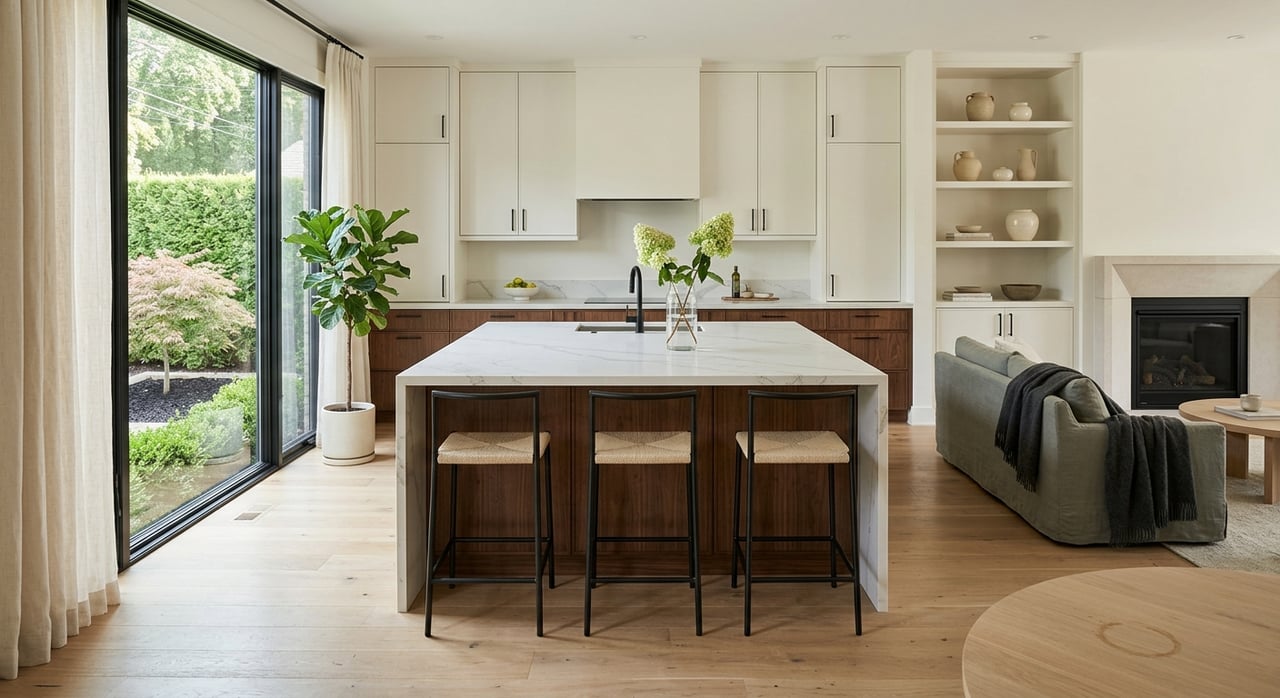
Meridian Kessler vs Broad Ripple: How to Decide
April 2, 2026
April 2, 2026
Trying to choose between Meridian-Kessler and Broad Ripple? You are not alone. These two adjacent Indianapolis neighborhoods are often compared because they sit close together, but they offer very different day-to-day experiences. If you are deciding where to focus your home search, this guide will help you compare housing, lifestyle, walkability, and budget so you can narrow in on the right fit. Let’s dive in.
Meridian-Kessler and Broad Ripple share some overlap in how people talk about them, but the feel on the ground is not the same. The Encyclopedia of Indianapolis describes Meridian-Kessler as a tree-lined area with mansions, bungalows, and apartments often sharing the same neighborhood fabric.
Broad Ripple, by contrast, is framed by the Broad Ripple Village Association as a long-established cultural district with a stronger village identity and a more visible arts, dining, and event scene. That difference matters when you are deciding where you want to live, not just what kind of house you want to buy.
Meridian-Kessler tends to feel more residential overall. According to the Meridian-Kessler neighborhood plan draft, it is defined by a traditional grid, mature trees, sidewalk-lined streets, and several neighborhood-serving commercial nodes rather than one central entertainment district.
In practical terms, that means your daily experience may feel quieter and more home-centered. You can still find local businesses, restaurants, groceries, and services, but they are woven into a primarily residential setting instead of clustering into one compact village core.
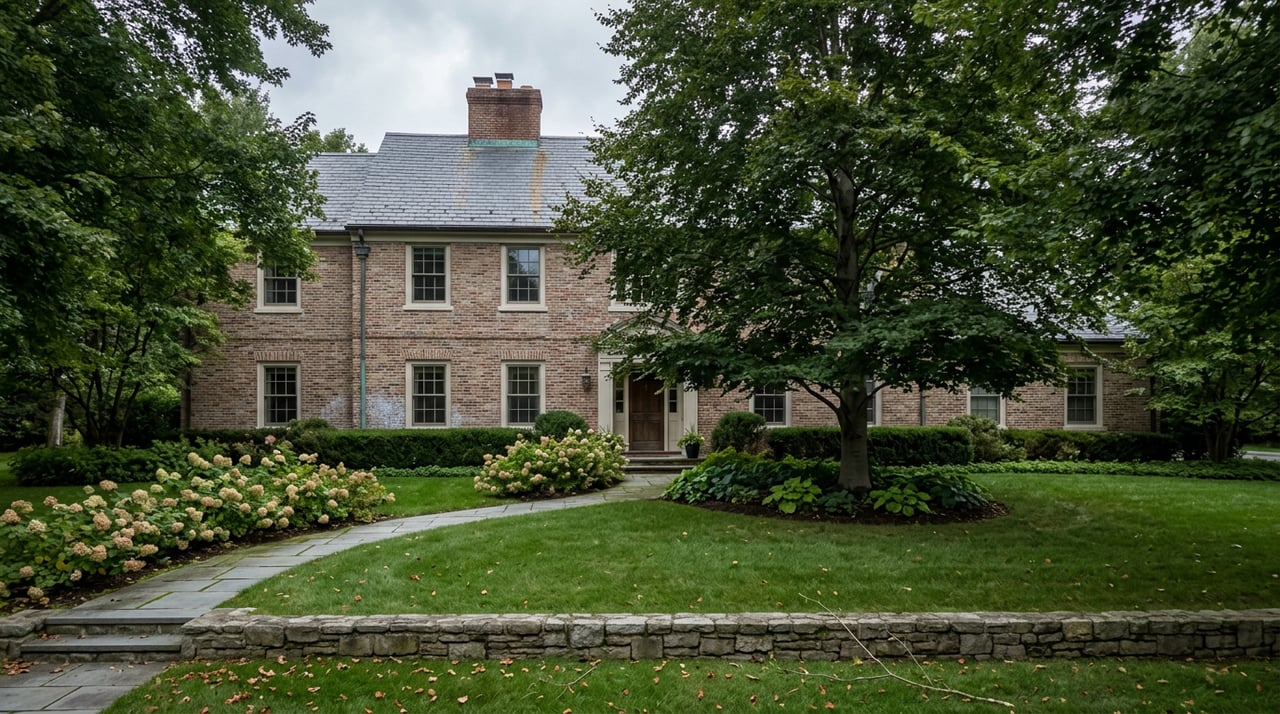
If you love historic homes, Meridian-Kessler gives you more variety. The Encyclopedia of Indianapolis notes that the neighborhood includes many early 20th-century styles, including American Foursquares, bungalows, Colonial Revival, Tudor Revival, and Classical Revival homes.
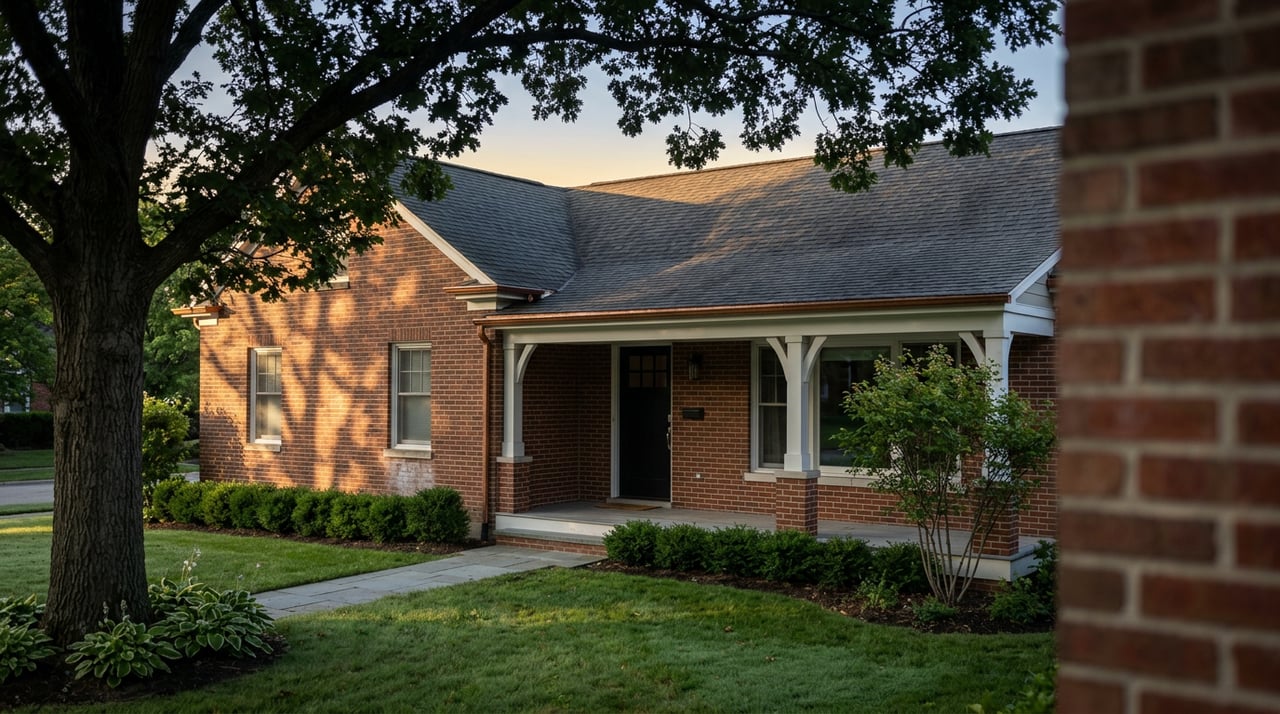
The neighborhood plan also points out an important pattern within Meridian-Kessler itself. Larger homes and more wooded lots are more common west of College Avenue, while bungalows are more common to the east, with smaller apartment buildings along major corridors. If you are searching here, the exact block can shape your experience as much as the neighborhood name.
Broad Ripple feels more compact, active, and destination-driven. The Broad Ripple Village Association history page highlights its role as one of Indianapolis’ longest-established cultural districts, with arts, dining, recreation, and events forming a core part of the neighborhood identity.
That gives Broad Ripple a more concentrated lifestyle. If you want a neighborhood where restaurants, boutiques, trails, and community events are part of your regular routine, Broad Ripple often delivers that in a more noticeable way.
Broad Ripple also has older housing stock, but the style mix reads differently. The Encyclopedia of Indianapolis describes many homes built after 1900, especially bungalows, along with later redevelopment that added more density and a broader mix of uses.
The Broad Ripple Village Association living page also notes that the area continues to expand its mix of properties, residents, and businesses through redevelopment and new development. For you as a buyer, that can mean more variety in housing type, from classic homes to properties shaped by newer investment and infill.
Budget is often one of the clearest ways to separate these two neighborhoods. Based on current Redfin Meridian-Kessler housing market data, Meridian-Kessler had a median sale price of $475,000 in February 2026.
That same source shows Broad Ripple at $314,100, which creates a gap of about $160,900. Redfin also reports that Meridian-Kessler homes sold in an average of 26 days, compared with 40 days in Broad Ripple. In simple terms, Meridian-Kessler currently trends pricier and faster-moving, while Broad Ripple may offer a lower entry point.
If mobility and daily convenience matter to you, Broad Ripple currently has an edge in walkability and biking. Redfin scores Broad Ripple at 70/100 for walkability and 68/100 for biking, compared with Meridian-Kessler at 60/100 for walkability and 65/100 for biking.
Meridian-Kessler does score slightly higher on transit in Redfin’s current neighborhood data, at 41/100 versus 36/100 for Broad Ripple. Still, the bigger difference is in how each neighborhood is organized. Meridian-Kessler spreads amenities across several nodes, while Broad Ripple concentrates more activity into a compact district.
Broad Ripple stands out for its recreational connections. Indy Parks says the Central Canal Towpath links Broad Ripple to downtown and stretches 7.7 miles along the canal, with access points near Broad Ripple Avenue and Westfield Boulevard.
The neighborhood also benefits from the Broad Ripple RiverWalk, which helps connect Broad Ripple Park and the village area. If being close to trails, parks, and a more active outdoor routine matters to you, Broad Ripple may feel easier to plug into.
The biggest lifestyle difference may come down to how you want your neighborhood to function. Meridian-Kessler tends to offer a quieter residential backdrop with useful convenience nodes for everyday needs.
Broad Ripple, on the other hand, is more amenity-dense. The Broad Ripple Village Association’s dining and shopping overview highlights a wide mix of restaurants and boutiques, while the district also features arts programming, events, and year-round community activity.
Broad Ripple has a more visible social and cultural scene. Its official materials highlight the arts, shopping, dining, and events that shape the neighborhood, and its history also notes a late-night component to the district’s character.
That does not make one neighborhood better than the other. It simply means your comfort with activity, energy, and the rhythm of the area should be part of your decision.
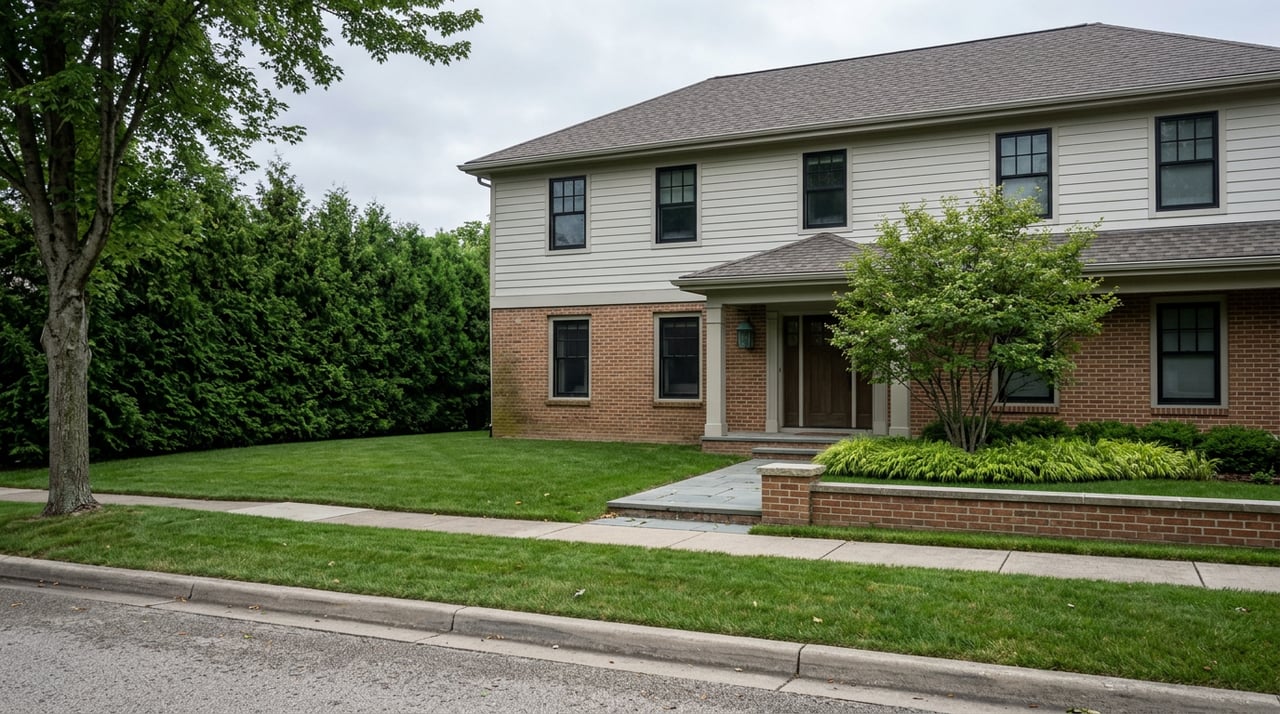
Meridian-Kessler is often a better match if you want your street to feel more residential than destination-oriented. The neighborhood plan and local association materials point to a setting where homes, local businesses, restaurants, and institutions support daily life without creating the same compact village intensity found in Broad Ripple.
For many buyers, that balance feels calm and convenient. You still have access to shopping and services, but the neighborhood usually reads as home first and destination second.
This is one of the most important takeaways if you are comparing Meridian-Kessler and Broad Ripple: the block matters almost as much as the neighborhood name. In Meridian-Kessler, your experience can shift depending on whether you are near residential streets or closer to College Avenue, 38th Street, or Pennsylvania-area nodes.
In Broad Ripple, the feel changes too. Some residential blocks are noticeably quieter than the village core near the canal and Monon-oriented activity. If you are serious about either neighborhood, it helps to look beyond the label and pay attention to the exact location of the home.
If you are weighing the two, a simple decision framework can help.
If you are still torn, try touring both neighborhoods with the same checklist. Pay attention to how the streets feel, how close you are to the places you would actually visit, and whether you want your social life and errands clustered together or spread out across a quieter residential setting.
This is also where local guidance can make a real difference. A neighborhood can look great online, but the best fit often comes down to block-by-block context, budget strategy, and how you want your daily life to feel. If you want help comparing homes in Meridian-Kessler and Broad Ripple, Carly DeFazio offers calm, strategic guidance to help you choose with confidence.
Stay up to date on the latest real estate trends.

Real estate is more than a transaction-it’s a transition. I guide clients through buying and selling with calm leadership, proactive strategy, and a thoughtful, highly personalized approach. Every detail is considered, every move intentional, so you can feel confident not only in the outcome, but in the process itself.